
By Amanda Toney, Managing Director, Stage 32
Hello WIFTI Members!
I’ve just returned from the American Film Market (AFM) in Los Angeles, and one thing is clear: the business of making movies continues to change, and the opportunities for filmmakers who understand those changes are tremendous.
This year marked Stage 32’s 11th year as the official Education Partner of AFM, something we’re incredibly proud of. Every year, we have the opportunity to connect with producers, financiers, distributors, film commissioners, and executives from around the world, and bring those conversations back to our global creative community.
This year’s conference focused on The New Global Screen Economy, with conversations about how films are financed, what buyers want, where productions are moving, and how new markets are creating opportunities for filmmakers.
I wanted to share a few of the biggest themes from this year’s panels, along with some Stage 32 education that can help you put these ideas to work on your own projects.
1. Film Financing: The Rules Have Changed
Two of this year’s AFM panels, Where the Money Is in the New Global Screen Economy and The New Math of Independent Film, brought together financiers, producers, and dealmakers to examine the realities of financing independent films.
The big question facing producers today is how to put together a viable financing plan when traditional models are becoming less predictable.
International presales, equity investment, tax incentives, and distribution agreements all play a role, but the right combination depends on your project’s budget, genre, cast, and commercial potential.
My advice? Don’t start raising money until you understand what your film is realistically worth in today’s marketplace.
At Stage 32, we’ve developed a series of film financing webinars specifically organized by budget, because financing a $250,000 feature requires a very different strategy from financing a $10 million film.
Recommended Stage 32 Education:
- How to Finance Your Film Between $250K and $1MM — Michelle Alexandria
- How to Finance Your Film Between $3MM and $7MM — Jeanette B. Milio
- How to Finance Your Film Between $7MM and $15MM — Jeanette B. Milio
Whether you’re producing your first feature or putting together a larger independent production, understanding how to build your finance stack is essential.
2. What Makes Buyers, Financiers, and Talent Say Yes?
Another important conversation at AFM centered on what it takes to get a project noticed in today’s competitive marketplace.
The panel What Makes Financiers, Buyers & Talent Say Yes? brought together executives from Lionsgate, Gersh, Range Select, and other companies involved in financing, packaging, and distributing films.
For producers, this is an important question to ask long before production begins.
A strong script is essential, but so is understanding your audience, budget, casting strategy, and how your project fits into the current marketplace.
I always encourage filmmakers to think about packaging as part of their financing strategy, not something that happens afterward.
Recommended Stage 32 Education:
- Your Ultimate Guide to Packaging Your Project — 4-Class Intensive — Tiffany Boyle, President of Packaging & Sales at Ramo Law
- A Step-by-Step Guide to Getting Your Film Picked Up by a Sales Rep or Buyer — Tony Piantedosi, SVP of Acquisitions at Vertical Entertainment
These are the kinds of insights that can help you walk into your next industry meeting better prepared.
3. Where You Shoot Matters More Than Ever
This was one of the conversations closest to my heart.
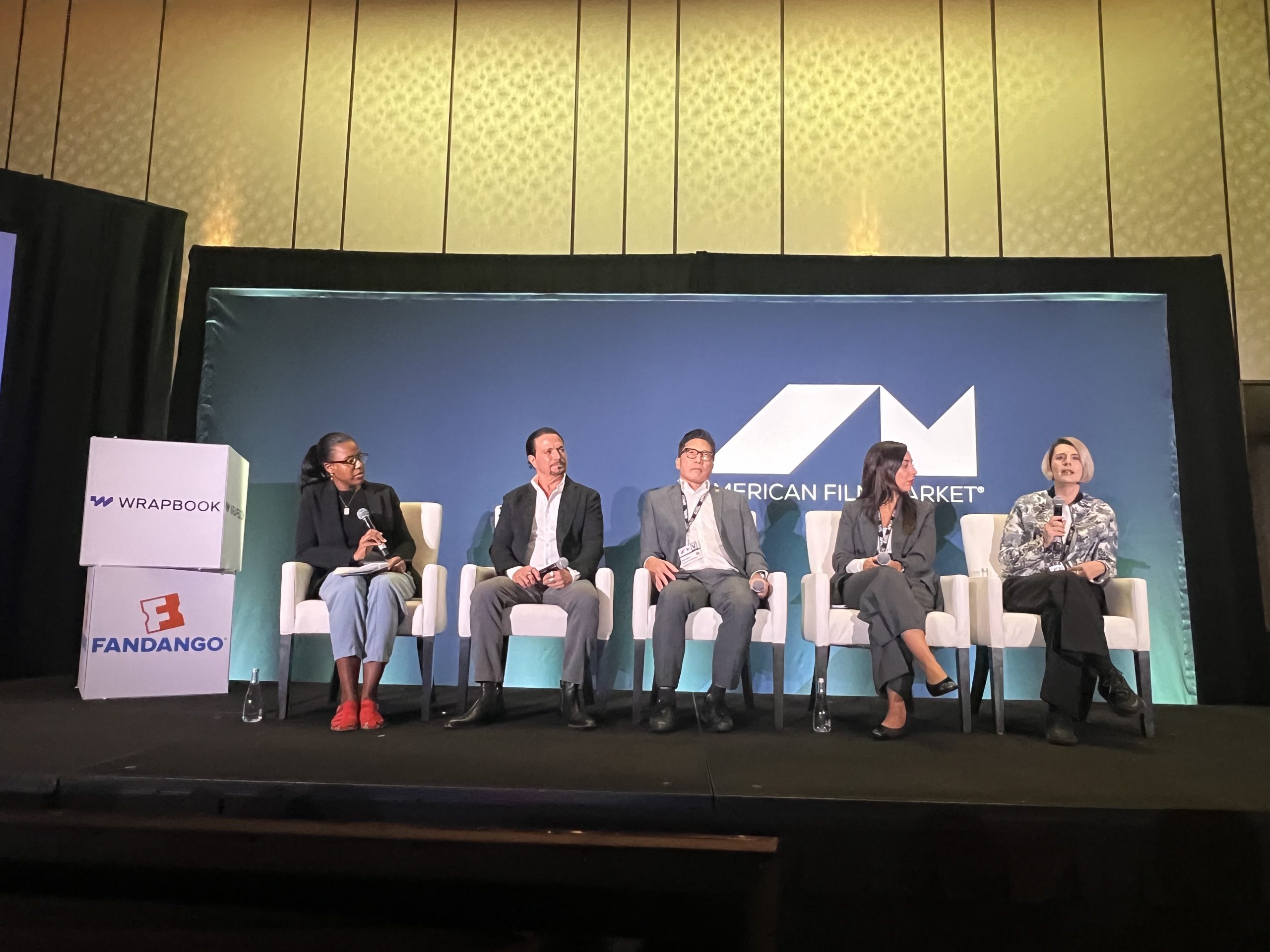
Our CEO and Founder, Richard “RB” Botto, joined Claire Brooks, Executive Director of the Association of Film Commissioners International (AFCI), along with international production leaders for the panel Where to Shoot Next: The Evolving Global Production Landscape.
The discussion explored how regions around the world are competing to attract film and television production, and why choosing where to shoot involves much more than finding the highest tax incentive.
Of course, incentives matter. But so do infrastructure, experienced local crews, production services, and the ability of a region to support your project from start to finish.
This is something we see firsthand through our global partnership with AFCI, which was announced earlier this year at Cannes and featured in The Hollywood Reporter.
One of the biggest challenges facing emerging production markets isn’t necessarily a lack of incentives or locations. It’s a lack of trained crew who can support incoming productions.
And that’s exactly what we’re working to address through Stage 32 Certification.
How Stage 32 Certification Is Helping Build the Global Production Workforce
Stage 32 is working with film commissions and organizations around the world to help train and certify local production professionals, creating stronger workforces and making regions more competitive for international productions.
Through our fully online certification programs, taught by working industry professionals, we’re helping people develop the skills required to work on professional film and television sets.
For WIFTI members, I think this presents two exciting opportunities.
If you’re a producer, understanding the available workforce and production infrastructure in different regions can help you make smarter decisions about where to shoot.
And if you’re looking to expand your career into production, certification can help you develop practical skills and demonstrate your qualifications to potential employers.
Stage 32 Certification programs include:
- Location Management: Learn location scouting, budgeting, scheduling, contracts, and the logistics of managing filming locations.
- Production Coordinating: Understand the organizational and logistical responsibilities that keep productions moving.
- Assistant Directing: Learn scheduling, on-set protocols, call sheets, and how to help manage a professional production.
- Production Accounting: Build skills in budgeting, payroll, cost reporting, and financial management.
- Line Producing & Production Management: Develop the knowledge needed to manage budgets, schedules, and production operations.
Once certified, professionals receive credentials and become part of a global database searchable by industry professionals, film commissions, and production companies.
Explore Stage 32 Certification Programs
And if you’re producing a project internationally, I highly recommend our free webinar with AFCI’s Marjorie Galas:
Understanding What a Film Commission Is, What They Do, and How They Benefit Productions — FREE
You’ll learn how film commissions can help with locations, permitting, local crews, production logistics, and resources you may not even realize are available to you.
4. Global Production Incentives Are Part of the Financing Conversation
Another major theme at AFM was the growing importance of international production incentives.
From discussions about U.S. production incentives to the opportunities available in emerging international markets, producers are increasingly evaluating where their budgets can go the furthest.
But the highest rebate percentage doesn’t always mean the best deal.
You also need to consider local spending requirements, qualified expenditures, payment timelines, crew availability, and whether the region can realistically support your production.
Recommended Stage 32 Education:
The International Money Your Production Is Already Qualified For — And How to Claim It
Taught by Viviana Zarragoitia of Three Point Capital, who has been involved in financing more than 100 independent films, this webinar walks you through how global tax incentives work and how to incorporate them into your financing strategy.
Bringing These Lessons Back to Your Own Projects
One of the things I love most about AFM is that it reminds me how much opportunity exists when you understand the business behind the creative process.
And that’s what we work so hard to bring to the Stage 32 community every month.
You don’t have to attend every major film market or live in Los Angeles to learn directly from the people financing, producing, and distributing content. Through Stage 32, you can access education from working professionals who are actively making these decisions.
For our WIFTI community, I hope you’ll take advantage of these resources, whether you’re developing your first feature, preparing to finance your next project, exploring international production, or looking to build new skills and advance your career.
Your WIFTI Member Benefit
As a reminder, through our global partnership, WIFTI members receive 20% off Stage 32 webinars, classes, and labs.
My biggest takeaway from AFM this year is that the opportunities are there, but being prepared matters more than ever.
Understand your financing. Know your audience. Build the right relationships. And never stop educating yourself about how this industry is evolving.
I hope these resources help you take that next step toward getting your projects made!
Cheers!
Amanda Toney
Managing Director, Stage 32